Skip to content
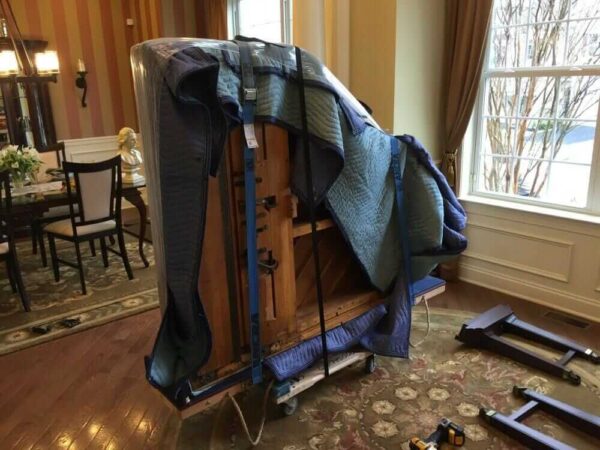
Moving a piano is one of those tasks that seems straightforward until you actually need to do it. Whether you’re relocating to a new home, downsizing, or simply need to clear space, understanding piano removal costs is crucial for planning your budget effectively.
As someone who’s been in the piano transport industry for over a decade, I’ve seen countless homeowners shocked by unexpected costs or, worse, attempt DIY moves that end in disaster. Let me walk you through everything you need to know about piano removal pricing, so you can make an informed decision that protects both your instrument and your wallet.
Why Piano Removal Costs Vary So Much
Before we dive into specific numbers, it’s important to understand why piano removal costs can vary dramatically from one job to another. Unlike moving a sofa or dining table, piano transport involves numerous factors that significantly impact pricing.
The weight alone tells part of the story. An average upright piano weighs between 300-500 pounds, while a grand piano can weigh anywhere from 500 to 1,200 pounds. But weight is just the beginning of the complexity.
Professional piano movers must consider the instrument’s dimensions, the pickup and delivery locations, access challenges, distance, timing, and special requirements. Each of these factors can add or subtract from the final cost, which is why getting a personalized quote is so important.
Average Piano Removal Costs by Piano Type
Let’s break down the typical costs you can expect for different types of pianos across the UK:
Upright Piano Removal Costs
Upright pianos are generally the most affordable to move, but costs still depend on several factors. For local moves within the same city, you’re typically looking at £250 to £350 for professional removal. This includes the labor, equipment, and basic insurance coverage.
The price can increase if your upright piano needs to navigate stairs, tight doorways, or requires special equipment. Most reputable piano movers include protective wrapping and basic insurance in their base price, but it’s worth confirming this when getting quotes.
Grand Piano Removal Costs
Grand piano removal is significantly more complex and expensive. These majestic instruments require disassembly, specialized equipment, and often additional crew members. Expect to pay between £350 and £500 for local grand piano removal.
The size of your grand piano matters enormously. A baby grand (under 5’6″) will cost less to move than a concert grand (over 7′). The additional weight and size require more movers, larger vehicles, and more time for proper disassembly and reassembly.
Baby Grand Piano Removal
Baby grand pianos fall somewhere in the middle of the cost spectrum. These instruments typically cost between £300 and £450 to remove locally. While smaller than full grand pianos, they still require careful disassembly and specialized handling techniques.
The curved shape of baby grand pianos can actually make them more challenging to maneuver than upright pianos, despite being shorter in height. Professional movers need to remove the legs and pedal lyre, carefully wrap each component, and reassemble everything at the destination.
Factors That Affect Piano Removal Costs
Distance and Location
Distance is one of the most significant cost factors in piano removal. Local moves (under 20 miles) typically fall within the price ranges mentioned above. However, long-distance piano transport can cost anywhere from £400 to £800 or more, depending on the specific route and distance involved.
Urban locations like London often command higher prices due to parking restrictions, traffic challenges, and higher operational costs. Rural locations might also incur additional charges if they’re significantly off main transport routes.
Access Challenges
This is where costs can really escalate. If your piano needs to go up or down stairs, expect to add £50 to £150 to your bill. The number of flights, stair width, and any turns in the staircase all impact pricing.
Ground floor access through standard doorways represents the baseline pricing. However, if movers need to remove doors, navigate tight hallways, or use special equipment, costs increase accordingly.
Window or balcony access represents the most expensive scenario. When traditional routes aren’t feasible, piano movers might need to use cranes or hoisting equipment. This specialized service can add £200 to £500 to your removal cost, depending on the height and complexity involved.
Timing and Urgency
Standard piano removal typically allows for some flexibility in scheduling. However, if you need same-day or emergency piano removal, expect to pay a premium. Emergency services can cost 25% to 50% more than standard scheduling.
Weekend and evening removals also typically cost more. Most piano moving companies operate primarily during business hours on weekdays, so requests outside these times command higher rates.
Additional Services
Basic piano removal includes transportation from point A to point B with standard protection and insurance. However, you might need additional services that affect pricing:
Temporary storage can cost £50 to £100 per month, depending on the facility and duration. Climate-controlled storage, which is recommended for valuable instruments, costs more than basic warehouse storage.
Piano tuning after removal typically costs £80 to £120. While not always necessary, most pianos benefit from professional tuning after transport, especially over longer distances.
Extended insurance coverage beyond the standard protection might add £20 to £50 to your bill, but provides additional peace of mind for valuable instruments.
Regional Price Variations Across the UK
Piano removal costs vary significantly across different regions of the UK. London and the Southeast generally command the highest prices, with costs running 20% to 30% above national averages. The combination of higher operational costs, traffic challenges, and parking restrictions drives these premium rates.
Scotland and Northern England often offer more competitive pricing, though specialized piano movers might be less common in some areas. The key is finding experienced professionals rather than general removal companies that occasionally handle pianos.
Major cities like Manchester, Birmingham, and Bristol typically fall somewhere in the middle of the pricing spectrum. These areas often have good competition among piano movers, which helps keep costs reasonable while ensuring quality service.
Rural areas present a mixed picture. While operational costs might be lower, the limited number of specialized piano movers can drive prices up. Additionally, if your location requires significant travel time for the moving crew, this gets factored into the final cost.
Hidden Costs to Watch Out For
Reputable piano moving companies should provide transparent pricing, but it’s worth understanding potential additional charges that might not be obvious upfront.
Parking permits or restrictions can add unexpected costs, especially in city centers. Some companies include permit costs in their quotes, while others charge them separately. Always clarify this when getting estimates.
Fuel surcharges sometimes apply for long-distance moves, particularly when diesel prices fluctuate significantly. Most companies either include fuel in their base price or clearly state when surcharges apply.
Waiting time charges might apply if the moving crew arrives but can’t immediately begin work due to circumstances beyond their control. This could include waiting for building access, elevator availability, or completion of other moves.
Storage fees can accumulate quickly if there’s any delay between pickup and delivery. Make sure you understand the company’s policy on storage and any associated daily or weekly charges.
DIY Piano Removal: Why It’s Not Worth the Risk
I regularly encounter homeowners considering DIY piano removal to save money. While I understand the appeal of cutting costs, this is one area where attempting to save money often leads to much higher expenses.
The physical risk alone should deter most people. Piano-related injuries are surprisingly common among inexperienced movers. Back injuries, crushed fingers, and muscle strains are just the beginning. More seriously, dropped pianos can cause significant property damage or severe injuries.
From a financial perspective, DIY piano removal often backfires. Rental equipment costs, potential injury expenses, property damage, and the high likelihood of piano damage usually exceed professional removal costs.
Insurance presents another major consideration. Most home insurance policies don’t cover damage caused during DIY moves of items like pianos. Professional piano movers carry specialized insurance that protects both the instrument and your property.
The technical expertise required for piano disassembly and reassembly shouldn’t be underestimated. Improper handling can damage internal components, affect tuning stability, or even render the instrument unplayable.
Getting Accurate Piano Removal Quotes
The key to managing piano removal costs effectively is getting accurate, comprehensive quotes from multiple reputable companies. Here’s how to approach this process:
Provide detailed information when requesting quotes. Include the piano type and approximate size, pickup and delivery addresses, access conditions at both locations, preferred timing, and any special requirements.
Ask specific questions about what’s included in the quoted price. Confirm whether insurance, protective materials, basic assembly/disassembly, and any applicable permits are included.
Request written estimates that clearly break down all costs. This helps you compare quotes accurately and avoid surprises on moving day.
Verify the company’s credentials, including proper licensing, insurance coverage, and industry experience. The cheapest quote isn’t always the best value if it comes from an inexperienced or uninsured company.
Piano Removal Insurance: What You Need to Know
Professional piano movers typically offer several levels of insurance coverage. Basic coverage is usually included in the removal cost and covers obvious damage or loss. However, this basic coverage might not fully protect high-value instruments.
Full replacement value coverage costs more but provides comprehensive protection for valuable pianos. This additional coverage typically costs 2% to 5% of the piano’s value and might be worthwhile for expensive instruments.
Always document your piano’s condition before removal. Take photos of any existing damage and note the instrument’s general condition. This documentation becomes crucial if you need to file an insurance claim.
Understand the claims process before you need it. Know who to contact, what documentation is required, and the typical timeline for claim resolution.
Seasonal Considerations for Piano Removal
Piano removal costs can vary seasonally, with summer months typically being the busiest and most expensive. Many families move during summer to coincide with school schedules, driving up demand for all moving services.
Winter moves often offer better pricing but come with additional challenges. Weather conditions can complicate piano transport, potentially requiring extra protection or equipment.
Planning your piano removal during off-peak times (typically mid-week in fall or winter) can often result in better pricing and more flexible scheduling.
When to Hire Professionals vs. General Movers
While general moving companies might offer piano transport services, specialized piano movers bring expertise that’s worth the additional cost for valuable instruments.
Piano specialists understand the unique challenges of instrument transport, carry appropriate equipment, maintain proper insurance coverage, and often provide better protection and handling techniques.
For extremely valuable or antique pianos, specialized movers aren’t just recommended—they’re essential. The risk of damage from inexperienced handling far outweighs any potential cost savings.
However, for basic upright pianos with minimal sentimental or monetary value, experienced general movers might suffice if they have proper equipment and insurance.
Planning Your Piano Removal Budget
When budgeting for piano removal, consider the total cost including potential additional services. A realistic budget should include the base removal cost plus 20% to 30% for potential extras like stairs, storage, or additional insurance.
Get quotes early in your planning process. Piano movers often book weeks in advance, especially during peak moving seasons. Early booking sometimes results in better pricing and ensures availability.
Consider the timing of payment. Some companies require deposits, while others collect payment upon completion. Understanding payment terms helps with cash flow planning.
Factor in related costs like piano tuning after the move, any necessary repairs, and potential temporary storage if there’s a gap between pickup and delivery dates.
Frequently Asked Questions About Piano Removal Costs
Q: How much does it cost to remove an upright piano locally? A: Local upright piano removal typically costs between £250 and £350, depending on access conditions, stairs, and specific local factors. This includes basic insurance and protective materials.
Q: What makes grand piano removal so much more expensive? A: Grand piano removal costs more due to the required disassembly, specialized equipment, additional crew members, and the complexity of handling these larger, heavier instruments safely.
Q: Are there any hidden costs I should watch out for? A: Potential additional costs include stair fees (£50-£150), parking permits, extended storage, crane services for window access, and premium charges for rush or weekend service.
Q: Is it worth getting piano removal insurance? A: Yes, especially for valuable instruments. Basic coverage is usually included, but full replacement value coverage (costing 2-5% of piano value) provides comprehensive protection for expensive pianos.
Q: How far in advance should I book piano removal? A: Book at least 2-3 weeks in advance, especially during peak moving season (summer months). Early booking often results in better pricing and ensures availability with reputable companies.
Q: Can I save money by partially disassembling the piano myself? A: This isn’t recommended. Piano disassembly requires specialized knowledge and tools. Improper disassembly can damage internal mechanisms and void insurance coverage.
Q: What’s the difference between piano removal cost in London versus other UK cities? A: London typically costs 20-30% more due to higher operational costs, parking challenges, and traffic restrictions. Regional cities like Manchester or Birmingham offer more moderate pricing.
Q: Do piano removal companies offer payment plans? A: Most companies require payment upon completion, though some may offer payment plans for expensive long-distance moves. It’s worth asking if you need flexible payment terms. Facebook
Final Thoughts
Understanding piano removal costs helps you make informed decisions and avoid unpleasant surprises. While professional piano removal represents a significant expense, it’s typically far more cost-effective than dealing with the potential consequences of damage from inexperienced handling.
The investment in professional removal protects not just your piano, but also your property, your health, and your peace of mind. When you consider the potential costs of piano damage, property damage, or personal injury from DIY attempts, professional removal becomes a wise investment rather than just an expense.
Remember that the cheapest quote isn’t always the best value. Focus on finding experienced, insured professionals who understand the unique challenges of piano transport. Your instrument—and your wallet—will thank you in the long run.
If you’re planning a piano removal, start by getting detailed quotes from multiple reputable companies. Take time to understand what’s included in each quote and don’t hesitate to ask questions about anything that’s unclear. With proper planning and the right professionals, your piano removal can be accomplished safely and efficiently, giving you one less thing to worry about during what’s already a stressful time.